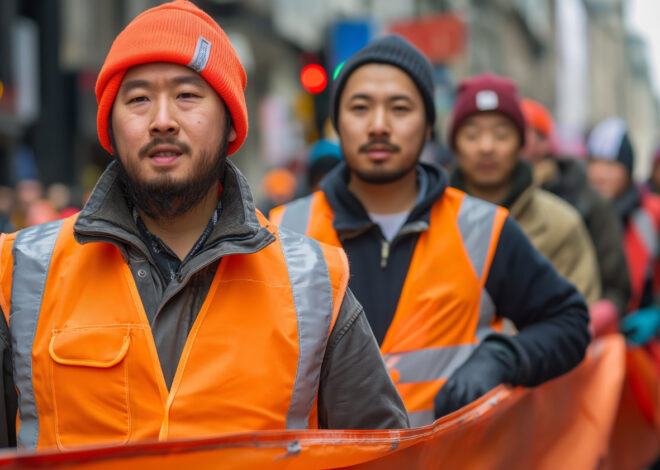
Why EU Countries Trust Nepalese Workers for Safety, Security, and Hospitality Roles
Europe is experiencing a major manpower shortage across essential sectors like safety, security, and hospitality. As the European workforce ages and fewer locals prefer physically demanding or service-oriented jobs, employers are increasingly seeking reliable international talent.
Among the global workforce options, Nepalese workers have earned a special place of trust across EU countries. Their discipline, dedication, and strong work ethic make them ideal professionals for roles that require responsibility, alertness, and customer service.
Here’s why EU employers prefer Nepalese workers in these key sectors.
1. Proven Discipline and Reliability
Nepalese workers are globally respected for their disciplined nature and commitment to duty.
Whether in the Gulf, Malaysia, or high-demand international environments, they consistently demonstrate:
• punctuality
• loyalty to the employer
• respect for rules and regulations
• strong sense of responsibility
In sectors like security and hospitality, employers need staff who can be trusted with facilities, guests, safety, and operational standards. Nepalese workers naturally fit these expectations.
2. Years of Experience in Gulf Countries
A large percentage of Nepalese workers have previously served in Gulf nations in roles such as:
• security guards
• hospitality staff
• facility supervisors
• hotel and restaurant service teams
• building caretakers
• logistics and cleaning staff
The Gulf environment demands discipline, alertness, and hard work, often under extreme temperatures of 45–50°C.
This exposure trains Nepalese workers to handle pressure, work long hours, and maintain standards even in challenging conditions.
When they move to Europe — with better temperatures, worker protections, and improved working conditions — their performance only becomes stronger.
3. High Cultural Adaptability and Soft Skills
Security and hospitality roles require employees who can interact politely, respect company culture, and adjust to diverse work environments.
Nepalese workers excel in:
• humility
• politeness
• teamwork
• cultural sensitivity
• positive attitude
• quick learning
This makes them ideal for EU countries, where service quality and respectful behavior strongly influence customer satisfaction and corporate reputation.
4. Trustworthy in Safety and Security Roles
EU countries value honesty and trustworthiness, especially in security-based jobs.
Nepalese security personnel are widely appreciated for:
• alertness
• discipline
• calm behavior
• respect for chain of command
• strong physical and mental endurance
Many of them have also cleared training programs in the Gulf or Nepal, giving them additional qualification advantages.
Because security roles require someone who can handle critical situations responsibly, Nepalese workers are often the preferred choice.
5. Strong Reputation in Hospitality and Customer Service
Nepalese workers are known for their warm behavior and dedication to serving guests — a key requirement in Europe’s hospitality industry.
They stand out due to:
• polite communication
• helpful nature
• patience with customers
• ability to work under stress
• consistency in delivering service quality
Hotels, restaurants, resorts, and tourism companies across Europe report higher guest satisfaction when hiring Nepalese employees.
6. Physically and Mentally Strong Workforce
Working for several years in Gulf regions with extreme climates builds:
• stamina
• resilience
• endurance
• mental toughness
In comparison, Europe’s comfortable climate supports better health and improved output.
This makes Nepalese workers ideal for security positions, hospitality operations, and physically active roles.
7. Long-Term Stability and Loyalty
EU employers appreciate workers who stay committed for long-term contracts.
Nepalese workers are known for:
• low turnover rates
• long-term loyalty
• commitment to career stability
• focus on skill development
• willingness to grow within the company
This saves European employers significant costs in training and frequent replacements.
8. A Win-Win Partnership for Europe and Nepal
Europe gains a dependable, polite, and hardworking workforce.
Nepal gains employment opportunities, skill transfers, and economic upliftment through remittances.
This long-term partnership benefits both regions and helps solve Europe’s growing labour shortage in essential sectors.
Conclusion
Nepalese workers have earned the trust of EU countries through their discipline, honesty, adaptability, and strong work ethic. Their international experience, especially in the Gulf, prepares them perfectly for security, safety, and hospitality roles in Europe.
As Europe continues to face workforce challenges, Nepalese professionals stand out as one of the most dependable and respected labour groups — ready to contribute to Europe’s growing industries with dignity and dedication.